The Short Answer
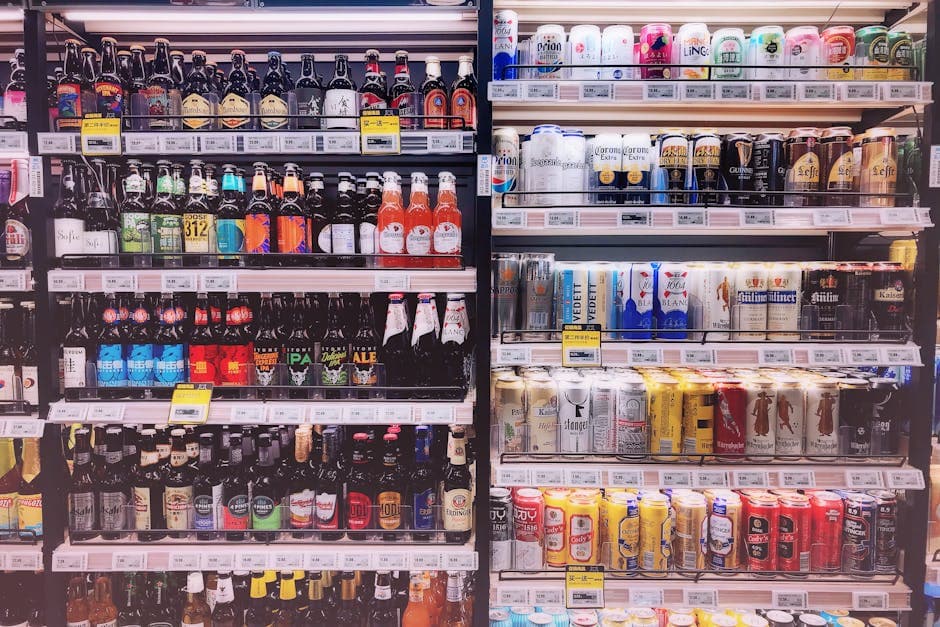
"California sober," "damp January," "cannabis-forward, alcohol-light", whatever the branding, a growing number of adults 21 and older have shifted partially or fully from alcohol toward cannabis as their evening wind-down or social relaxant. Public-health data and survey research confirm the trend is real. Whether cannabis as an alcohol alternative is healthier depends on individual patterns, not on the substance choice alone.
What's Driving the Shift
Several factors:
- Generational preferences. Gen Z and younger Millennials drink less than previous generations across most surveys.
- Legalization. Regulated cannabis access has normalized consumption for many adults who wouldn't have engaged with the illicit market.
- Health framing. Growing awareness of alcohol's long-term health costs (cardiovascular, cancer, liver) has pushed some consumers to reduce.
- Cannabis beverages. THC seltzers, non-alcoholic cocktails with cannabis, and similar products have made substitution more obvious. See thc beverages, the rise of cannabis-infused drinks.
The Research Picture
Research on cannabis-as-alcohol-substitution shows:
- In states with legal cannabis, alcohol sales tend to decline modestly (not collapse).
- Individual consumers who switch report varying success; some fully substitute, others end up consuming both.
- Combined consumption (alcohol + cannabis in the same session) is more dangerous than either alone.
- Long-term health outcomes of substitution are still being studied. Short-term physiological markers favor cannabis for some measures (liver, cardiovascular) and not for others (lung function if smoked).
The "California Sober" Framing
The term refers to abstaining from alcohol (and often other substances) while still using cannabis. As a harm-reduction approach for individuals who have struggled with alcohol, it has some clinical support. It is not universally recommended as a substance-use disorder treatment, and for individuals with severe alcohol use disorder, evidence-based addiction treatment remains the recommended approach.
Trade-Offs
What cannabis gets you that alcohol may not:
- No hangover (for most consumers at moderate doses).
- Lower long-term health risk profile at comparable social-use levels.
- Calorie-free (most formats).
What alcohol gets you that cannabis may not:
- Predictable onset and duration (edibles are especially unpredictable).
- Social norms around pacing.
- More predictable dose-response.
- Widely understood by non-users.
What both share:
- Impairment risk, driving risk, use-disorder risk at extremes.
For Consumers Making the Switch
A few patterns that work:
- Start with low-dose formats. THC seltzers (2.5 to 5 mg) mimic a drink's "one unit" feel.
- Set a per-session limit the way you would with alcohol.
- Don't combine casually. Alcohol and cannabis at meaningful doses compound impairment.
- Give it time. Substituting one substance for another in social contexts takes adjustment.
Where to Go Next
Related reading: cannabis vs alcohol health comparisons, thc beverages, and responsible cannabis use tips.
---
*This article is consumer education for adults 21+. Nothing here is medical, legal, or financial advice. Cannabis laws vary by state, always verify your state's current rules and, for health questions, consult a licensed clinician. For regulated New York retail, verify licensing via the OCM QR-code system at cannabis.ny.gov.*
Jay, Editorial Team
Jay pairs cannabis to setting — town guides, dining, festivals, outdoor adventures, and the regional editorial that ties cannabis into specific places and moments. Their writing anchors the town anchors, cabin and lodging coverage, music heritage and Tanglewood-arts pillars, and the lifestyle context that makes a region feel real.