

In this story ▾
- The Neighborhood Map: Where Post-Grads Actually Live
- Employer Policies: The Tech, Biotech, and Consulting Reality
- Cannabis Pacing for a Working Week
- Social Cannabis: Dinner-Party Register, Not Party-Party Register
- Where to Shop: By Neighborhood
- Money: Post-Grad Cannabis Budget Reality
- Compliance: State Law and the Apartment Lease Question
- Frequently Asked Questions
# Post-Grad in Boston: A Cannabis-Aware Guide for Late-20s Adults
There's a population in Boston that doesn't show up cleanly in any of the standard cannabis demographics. They're not students anymore — they finished a degree two or four or six years ago — but they're still living in $1,200-a-room apartments in Jamaica Plain or Somerville, still riding the same Red Line, still drinking at the same Cambridge bars. They have salaries now. They have offer letters and 401(k) matches and laptops issued by employers in Kendall Square or Back Bay. They are not, by any reasonable measure, kids. They are also nowhere near the suburban-homeowner life their parents associated with the late twenties.
This is for them. The cannabis-using late-20s post-grad audience in Boston is large, normalized, and largely uncovered in editorial content that swings either undergrad-coded or 40s-and-married. The middle is wide open, and the practical questions in the middle are real.
The Neighborhood Map: Where Post-Grads Actually Live
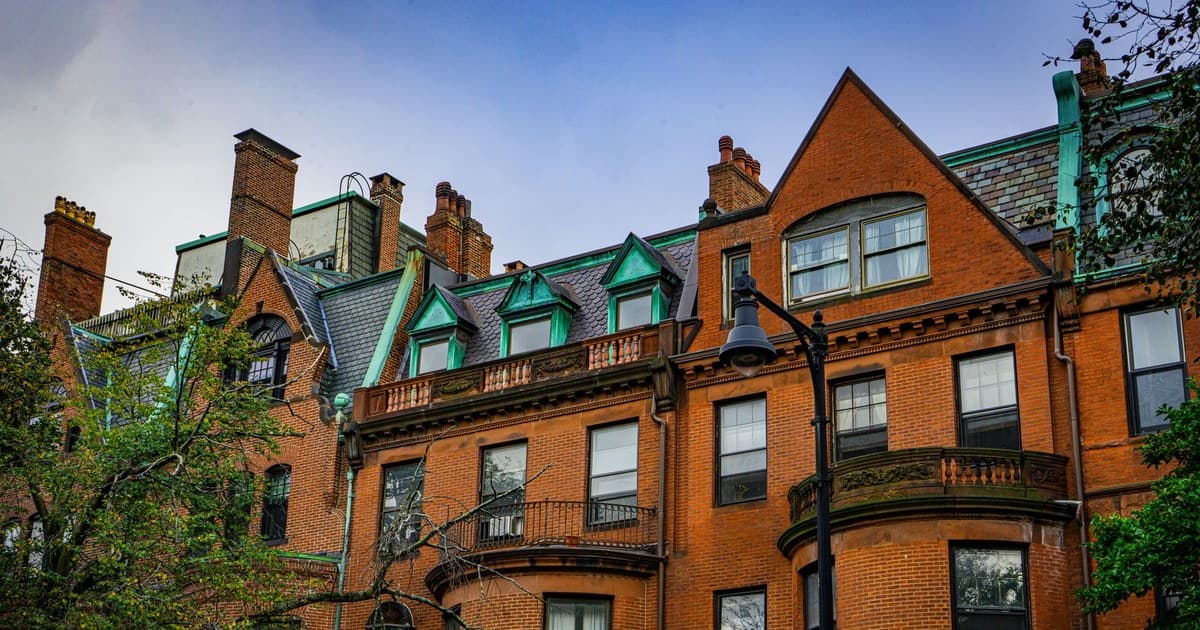
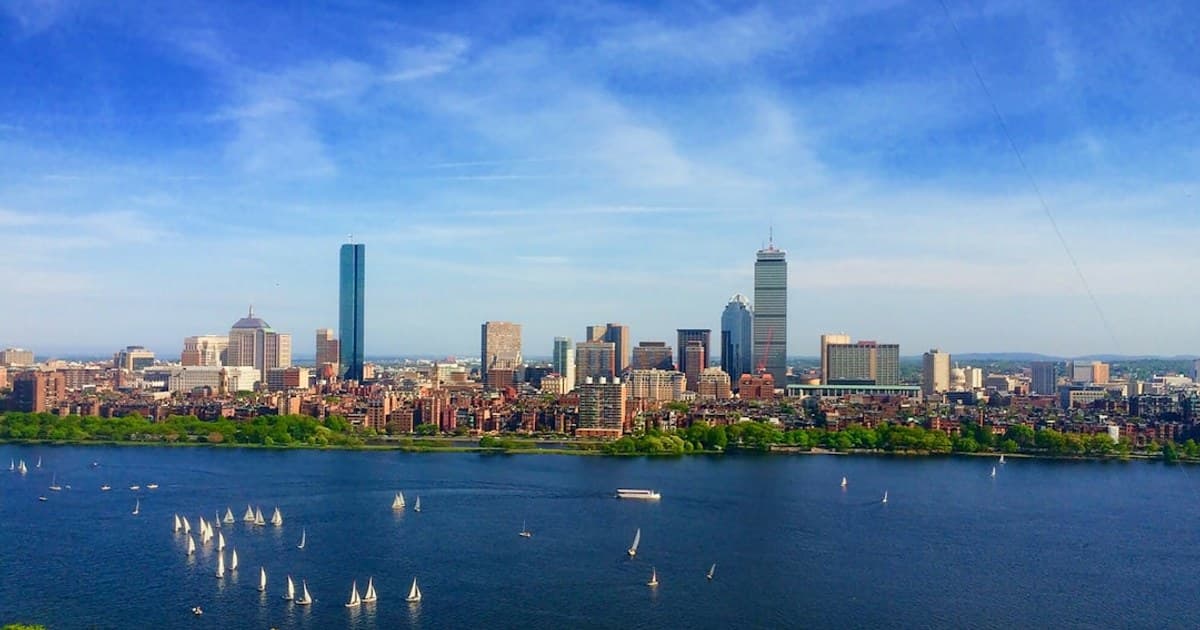
The post-grad map in Boston has shifted in the last decade, but the broad shape is stable. Jamaica Plain, especially around Centre Street and the Stony Brook stretch, is the canonical late-20s neighborhood — three-bedroom apartments above a brewery, the Arboretum on weekends, the Orange Line to work. Somerville absorbs the Cambridge-overflow population — anyone who got priced out of Inman or Porter and moved one stop further on the Red. Allston-Brighton picks up the Comm Ave-corridor crowd that grew up but didn't grow out. East Boston, ten years into its transformation, is the cheaper-rent option with the Blue Line and harbor views. South Boston has its own demographic — slightly more sales-and-finance-coded, slightly more bar-anchored — and Fenway and Mission Hill catch the medical and biotech workforce.
The throughline: rent absorbs most of the salary, the studio apartment is still a stretch, and the cannabis-aware adult life is built inside a 1-2 bedroom share with a roommate or partner.
Employer Policies: The Tech, Biotech, and Consulting Reality
This is the part of late-20s cannabis life that doesn't get talked about candidly enough. Massachusetts permits adult-use cannabis. Massachusetts employers can maintain drug-testing policies that override that permission. Both things are true.
The pattern in Boston by sector, in the broadest possible terms: most tech employers — including the major Kendall Square players, the Boston-based startups, and the satellite offices of West Coast firms — don't pre-employment drug test for cannabis and don't randomly test current employees for it, with the exception of safety-sensitive roles. Most biotech and pharmaceutical employers — especially anyone touching FDA-regulated work, GLP/GMP environments, or animal research — do test, both at hire and randomly. Consulting varies dramatically: the major firms generally don't, but federal-contract-heavy practices often do. Healthcare is its own category and almost always does, on top of licensure-board oversight.
The honest read: read your offer letter, read your employee handbook, and don't assume anything. The Massachusetts case law on employer drug testing is more permissive of employer policy than the public-facing legalization framing suggests.
Cannabis Pacing for a Working Week
The biggest difference between a late-20s cannabis register and a college-coded one is the work-week constraint. There is a 9 AM standup on Monday. There is a deliverable on Wednesday. The Sunday-evening dose has to clear by then, and the Tuesday-night dose has to clear by Wednesday.
The practical implication is form factor. Flower onsets in minutes and peaks in 30-60 minutes; edibles onset in 30-90 minutes and peak in 2-3 hours, with effects extending another 4-6 hours from peak. Vape sits between the two on onset and closer to flower on duration. None of these are reliable consumer-marketing numbers — they vary with individual metabolism, dose, food intake, and product variability — but the general shape holds. A 10 mg edible at 9 PM on a Sunday is more conservative than a 5 mg edible at 11 PM, even though the dose is bigger, because the 9 PM dose has cleared its peak by 1 AM and the 11 PM dose hasn't. Our piece at /boston/cannabis-education/how-long-does-a-cannabis-high-last-factors-that-affect-duration walks through this more honestly than most cannabis content does.
The general working-adult logic: reverse-engineer the dose timing from the obligation, not from the desire to be high right now.
Social Cannabis: Dinner-Party Register, Not Party-Party Register
The late-20s cannabis register in Boston, in our experience and in the way the audience actually behaves, is not the college-coded one. It's not a bong and a video game and four people on a Friday night. It's a dinner with three friends, a vape pen passed once between courses, a walk home through Davis or Centre or East Boston. It's a movie at home with a partner and a low-dose edible.
The framing matters because the editorial coverage of cannabis tends to lag the actual adult use of it by about a decade. The adults in this audience already know what they're doing. What they want from cannabis content isn't permission, it's information — about products, about timing, about which dispensaries are worth the trip and which aren't.
Where to Shop: By Neighborhood
The dispensary map for the post-grad audience tracks the neighborhood map. Primitiv Group Boston serves the in-city corridor — the South End, the Fenway-South-End seam, and the residents of the downtown ring. New Dia Fenway anchors the Kenmore, Fenway, and inner-Mission-Hill audience. Liberty Somerville serves Somerville, the upper Cambridge spillover, and the Tufts-adjacent crowd. Boutiq East Boston handles the Blue Line side of the city.
For Jamaica Plain residents, the in-city Primitiv option is workable on the Orange Line, with the broader greater-Boston dispensary network accessible by car. South Boston residents are split between in-city options and the South-Bay-and-beyond commercial strips. Our current full list, with addresses and hours, lives at /dispensaries/in/boston.
All of these stores follow standard Massachusetts CCC compliance: ID at 21+ at the door, purchase limits at the register, CCC-coded labeling on every product.
Money: Post-Grad Cannabis Budget Reality
The cannabis budget conversation for late-20s adults is different from the one happening on student forums. The dispensary-trip frequency tends to increase with disposable income, the form-factor preference tends to shift toward higher-end products — better-quality flower, third-party-tested concentrates, branded edibles rather than the cheapest gummy on the shelf — and a recreational cannabis habit can land in the $150-300/month range for an adult who's using it as one of two or three regular social and unwinding rituals.
That's not an enormous line item in a $90k Boston salary, but it's also not a nothing line item. The point isn't to moralize about it. The point is to note that the shift from student-budget cannabis to working-adult-budget cannabis happens quietly and is worth being awake to. The same general spending-awareness that applies to a $7 coffee habit applies to a cannabis habit, and the math is straightforward.
Compliance: State Law and the Apartment Lease Question
Massachusetts permits adult-use cannabis possession and use for adults 21 and older on private property. The lease overrides this in a leased unit. The standard Boston-area residential lease prohibits smoking — tobacco and cannabis — in the unit and on the property, sometimes addresses vaping explicitly, and rarely addresses edibles. Landlord enforcement varies, but a lease violation can be cause for non-renewal or, in repeated cases, eviction.
The honest read for renters: read the lease, know what's actually prohibited versus what's culturally frowned on, and understand that flower and vape are the friction points. Edibles in a leased apartment are almost never an enforcement issue. Smoking on a balcony or in a unit shared with non-cannabis-using neighbors often is.
Frequently Asked Questions
Can my landlord prohibit cannabis in my Boston apartment? Yes. Massachusetts landlords can include cannabis prohibitions in residential leases, and most standard leases prohibit cannabis smoking and vaping in leased units. State legalization doesn't override a lease term.
Do tech employers in Boston drug-test for cannabis? Most don't, with the exception of safety-sensitive roles, federally-contracted work, and certain regulated environments. Most biotech and pharmaceutical employers do test, especially for FDA-regulated work. Read your offer letter and employee handbook before assuming.
Where do most post-grads in Boston buy cannabis? By neighborhood: Primitiv Group Boston for the in-city corridor, New Dia Fenway for the Kenmore-Fenway area, Liberty Somerville for Somerville and adjacent Cambridge, Boutiq East Boston for the Blue Line side. Current store list at /dispensaries/in/boston.
Is it legal to consume cannabis in a Boston park? No. Public consumption is prohibited under state law, and Boston Common, the Esplanade, the Arboretum, and the harbor walks are all public or DCR land where consumption is prohibited.
Does Massachusetts protect off-duty cannabis use from employer discipline? No, not categorically. Massachusetts case law generally permits employers to maintain drug-testing policies that include cannabis, and the state's adult-use legalization framework does not override private employer policy. Consult an employment attorney for specifics about your situation.