

In this story ▾
- What the Seaport actually is, geographically
- Fort Point and the artist/loft layer
- The restaurant and bar density
- The ICA and the cultural anchor
- Where to shop: the closest legal cannabis to the Seaport
- The convention and business-traveler angle
- Pacing a cannabis-aware Seaport weekend
- Compliance: the public-space rules
- Transit and parking
- FAQ
# Seaport, Fort Point, and the South Boston Waterfront: A Cannabis-Aware Neighborhood Guide for Adults 21+
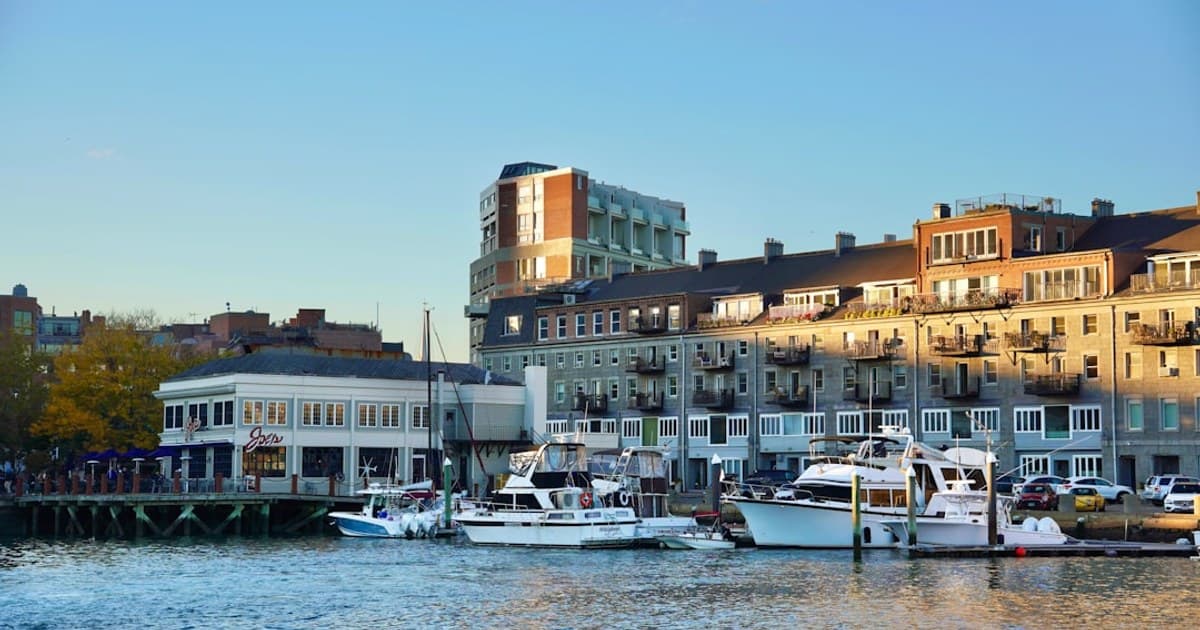
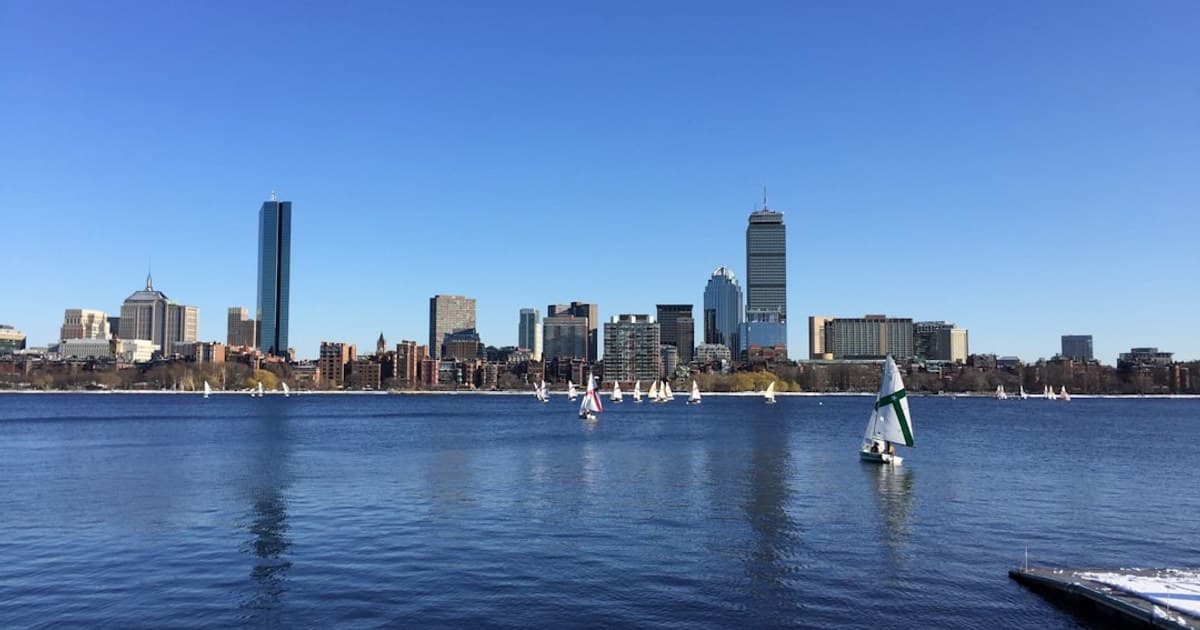
The Seaport is no longer Boston's "new neighborhood." By 2026 the build-out is essentially complete — the glass towers are leased, the ground-floor restaurants have settled into their stride, and a real residential population now lives where there were surface parking lots fifteen years ago. The Boston Convention and Exhibition Center fills the southern edge with rotating waves of business travelers. The ICA anchors the cultural register. And tucked into the older brick blocks west of the new construction, Fort Point still carries the loft-and-artist memory of the neighborhood's pre-2008 self.
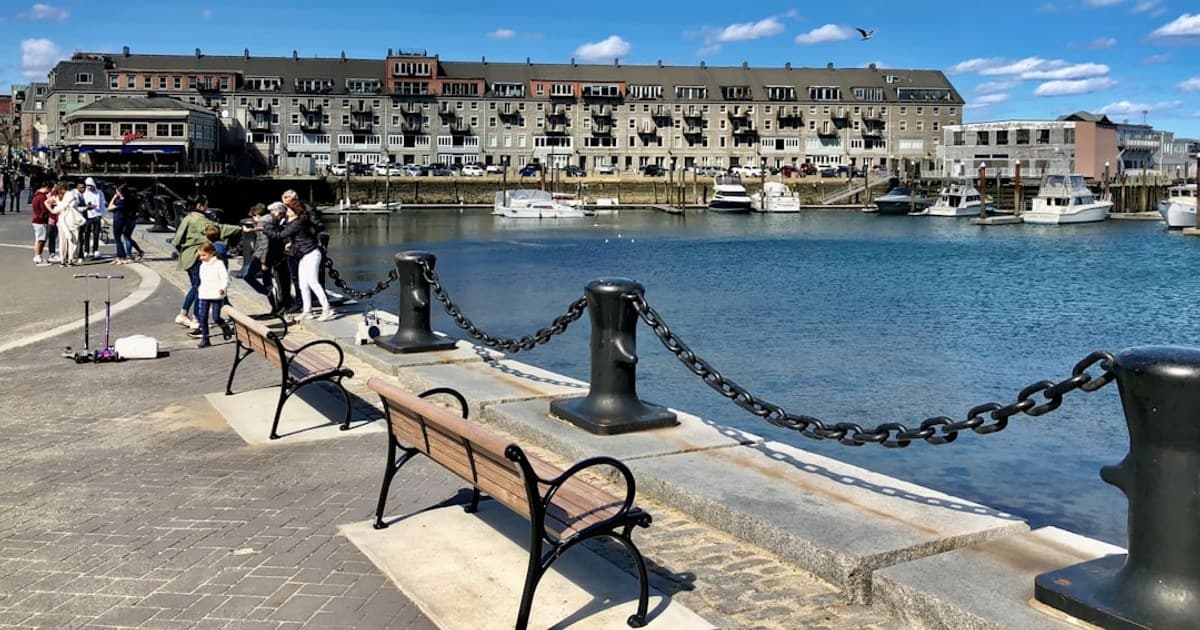
For cannabis-aware adults 21+ — whether you live in one of the new towers, you're in town for a conference, or you're a Bostonian who keeps meaning to spend a whole Saturday over here — the Seaport plays differently than the rest of the city. The dining density is unmatched. The Harborwalk is one of the longest stretches of continuous public waterfront in the U.S. The cultural pull is real. But the consumption rules are also some of the strictest in the city, because nearly every outdoor surface that feels public actually *is* public. This guide is honest about both halves: what to see and do, and what state law and venue policy will let you do while you're doing it.
What the Seaport actually is, geographically
The neighborhood's boundaries get fuzzy in casual conversation, so it's worth pinning them down. Most locals draw the Seaport between Northern Avenue and the Federal Reserve to the north, the Reserved Channel to the south, Fort Point Channel to the west, and the working port and Castle Island to the east. Summer Street runs the spine. Seaport Boulevard runs parallel a few blocks north and carries most of the restaurant traffic.
What people call "the Seaport" is really three overlapping zones. There's the new Seaport — the glass-and-steel district that grew up around Seaport Boulevard and Pier 4 in the 2010s. There's Fort Point, the older brick warehouse district immediately west of Fort Point Channel, where the converted-loft architecture still dominates. And there's the South Boston Waterfront proper, the broader umbrella name that BPDA planning documents use, which technically encompasses both plus the BCEC complex and the working port to the east.
For visitors, the distinction that matters most is the one between the new Seaport and Fort Point. They're a five-minute walk apart and feel like different cities.
Fort Point and the artist/loft layer
Fort Point predates the Seaport build-out by more than a century. The brick warehouses along Summer, A, and Melcher Streets went up in the late 1800s to serve the working harbor. By the 1980s most of them had been carved into artist lofts — Fort Point has, at various points, been called the largest concentration of working artists in New England — and that residential creative community is still here, even as rents have climbed and most ground floors have turned into restaurants.
The Boston Children's Museum sits on the Fort Point side of the channel, with its giant Hood milk bottle out front. Children's Wharf Park runs along the water beside it. The Fort Point Arts Community still organizes open studios. The register here is older, lower, brick-on-brick, with a slower foot-traffic pulse than the towers a few blocks east.
For an evening that pairs well with a measured edible or a discreet pre-evening session at your residence, Fort Point reads quieter and more walkable than the new Seaport. The blocks are short, the streetlights are warm, and the channel reflections at dusk are some of the best in the city.
The restaurant and bar density
This is the neighborhood's headline feature. The Seaport has more new restaurants per block than anywhere else in Boston, and the lineup spans casual harbor seafood to multi-course tasting menus. The Fort Point side carries a strong Barbara Lynch–anchored cluster of restaurants in the converted warehouses on Congress and A Streets. The Seaport Boulevard corridor and Pier 4 carry the larger, glassier rooms. The Harborwalk side has the seasonal harbor-bar register — the long summer evenings on the water.
For cannabis-aware adults, the Seaport's dining density rewards a particular kind of pacing: a low-dose edible before you leave the hotel or home, the long sit-down dinner as the centerpiece, and the Harborwalk stroll as the second act. The neighborhood is dense enough to walk between three venues without ever getting in a car. (For specific venues, scenes, and the late-night map, see our dedicated dining piece: Seaport, Fort Point, and Waterfront dining with a cannabis frame.)
One general note: the Seaport's restaurants run on the higher end of Boston's price register, and reservations on Friday and Saturday nights book out a week or more in advance for the marquee rooms. Plan accordingly.
The ICA and the cultural anchor
The Institute of Contemporary Art at 25 Harbor Shore Drive is the neighborhood's cultural center of gravity. The Diller Scofidio + Renfro building cantilevers out over the harbor — the cantilevered grandstand is one of the most photographed pieces of contemporary architecture in the city. The museum is closed Mondays, open Tuesday through Sunday from 10am to 5pm, with extended hours Thursdays and Fridays until 9pm. Thursdays from 5pm to 9pm are free.
The ICA's programming runs a mix of mid-career and emerging contemporary artists, with a strong photography and new-media slant. The harbor deck out back, with views across to East Boston and Logan, is worth the visit on its own.
For the off-season, the ICA's seasonal satellite — the Watershed, in a former copper pipe and sheet metal facility across the harbor in East Boston — runs Memorial Day through Labor Day and shows large-scale installations that wouldn't fit in the main building. Boston Harbor water taxi runs between them in season. (When the upcoming music-and-arts pillar piece on Boston contemporary art venues ships, we'll cross-link it here.)
A clean cannabis-aware Saturday afternoon in the Seaport often runs: lunch first, ICA second, Harborwalk third, dinner fourth. The pacing works because the ICA's gallery loop takes 90 minutes to 2 hours at an unhurried walk, and the harbor air outside afterward resets the senses before the evening meal.
Where to shop: the closest legal cannabis to the Seaport
The closest licensed adult-use dispensary to the Seaport core is Primitiv Group Boston, at 200 High Street in the Waterfront / Financial District corridor near Rowes Wharf. By the dispensary's own measurement, it's about 1.1 miles from the South Boston Waterfront and roughly an 8-minute drive, bike ride, or rideshare via Summer Street. Walking is realistic too — figure 20 to 25 minutes from Pier 4, faster from the Fort Point side. The MBTA Silver Line from South Station gets you most of the way as well, with a short walk on the Financial District end.
Primitiv's current hours are Monday through Wednesday 9am to 7pm, Thursday through Saturday 9am to 8pm, closed Sundays. (Hours can shift; the OCM-licensed retailer list and the dispensary's own website are the authoritative source — confirm before you go.)
For the full Boston dispensary picture, including delivery operators serving the Seaport zip codes and other downtown retail options, see our Boston dispensary directory. Verify any retailer through the Massachusetts Cannabis Control Commission licensee lookup — every legal Massachusetts retailer is searchable there by name and address.
The convention and business-traveler angle
The BCEC and the cluster of hotels along Summer Street and Seaport Boulevard mean the Seaport carries an unusually high density of out-of-state business travelers on any given weeknight. A meaningful fraction of those travelers come from states with legal adult-use cannabis and want to know what the rules are in Massachusetts.
The honest answer is short. Massachusetts allows adult-use sales to anyone 21+ with a valid government-issued ID, including out-of-state IDs and non-U.S. passports. You do not need to be a Massachusetts resident. Purchase limits per transaction are set by state regulation. You cannot consume on the dispensary premises. You cannot consume in public — and "public" in the Seaport context is broader than it first appears (see below). And federal law still applies on planes, in federal buildings, and on federally controlled property, including Logan Airport's secure side.
The practical version: most cannabis-aware business travelers in the Seaport buy at Primitiv, return to their hotel, and consume only if their specific hotel's room policy allows it. Many Seaport hotels do not. Confirm with the front desk before you assume.
Pacing a cannabis-aware Seaport weekend
A Saturday template that works: morning coffee in Fort Point, Harborwalk stroll from the Children's Museum down to Fan Pier, ICA from 11 to 1, lunch at a Pier 4 or Seaport Boulevard room, a midafternoon stop at Primitiv on the way back through the Financial District (if you're returning to a private residence for the evening), an afternoon nap, dinner reservation at 8, and a Harborwalk evening sit at sunset.
The pacing math: if you take a low-dose edible (start with 2.5–5mg THC if you're new) at 5:30pm, peak comes around the time you sit down for the 8pm dinner. The neighborhood is dense enough to walk the whole evening — most people don't drive in the Seaport even when they could.
Compliance: the public-space rules
This is the part the Seaport's geography makes more important than most Boston neighborhoods. The Harborwalk is public land. Cannabis consumption on the Harborwalk is illegal, regardless of how empty the stretch in front of you looks at 10pm. The same applies to Children's Wharf Park, Martin's Park, Fan Pier Park, and every other green space along the water. The piers, including the public sections of Pier 4 and Pier 5, are public. The plazas around the ICA are private property, and the ICA's own policy prohibits cannabis on the premises.
The functional implication: any cannabis consumption in the Seaport needs to happen in a private residence where the building's lease or condo rules allow it, or in a hotel room where the property's policy explicitly permits it (rare). Vape pens are not exempt from the public-consumption ban. Visible consumption — even if you think nobody's watching — carries a civil fine and, in the wrong context, a more serious charge.
This isn't unique to the Seaport, but the Seaport's near-total mix of public-and-private-feeling outdoor space makes it the neighborhood where the most accidental violations happen.
Transit and parking
The Seaport's cleanest transit access is the MBTA Silver Line from South Station. The SL1 and SL2 run frequently through Courthouse, World Trade Center, and on out to Logan (SL1) or the Design Center (SL2). The walk from South Station itself takes about 12 to 15 minutes if you'd rather skip the bus.
Driving in is the more painful option. The Seaport's garage prices on event nights routinely run $40 to $50; on Bruins or Celtics nights when nearby downtown garages overflow, more. Most weekend visitors do better with rideshare or transit.
For bikes, the Bluebikes network is dense on this side of the channel and the Harborwalk is bike-friendly at off-peak hours. The dockless options come and go.
FAQ
What's the closest dispensary to the Seaport? Primitiv Group Boston, at 200 High Street near Rowes Wharf, is the closest licensed adult-use retailer — about 1.1 miles and roughly 8 minutes by car, bike, or rideshare from the South Boston Waterfront. It's also reachable on foot in about 20 to 25 minutes from Pier 4 or via the Silver Line from South Station.
Can I bring cannabis to the ICA? No. The ICA's premises are private property and the museum's policy prohibits cannabis. Consumption on the surrounding Harborwalk is also illegal under Massachusetts public-space rules.
Is the Harborwalk public land? Yes. The Boston Harborwalk is a continuous public-access easement along the city's waterfront. Cannabis consumption on the Harborwalk, including in vape form, is prohibited under state law.
Where are the best Seaport restaurants for a long, paced dinner? The Fort Point side of the channel carries the Barbara Lynch–anchored cluster on Congress and A Streets, where the rooms run smaller and quieter. The new Seaport's Pier 4 and Seaport Boulevard corridor carry the larger, glassier rooms and the harbor seafood register. See our dedicated Seaport dining piece for the current map.
Can I consume cannabis in my Seaport hotel room? Only if the specific hotel's policy allows it. Most Boston hotels prohibit smoking and vaporizing of any substance, including cannabis, in their rooms. Confirm with the front desk before purchase, and remember that edibles are the most policy-compatible option.
Is Primitiv on the Silver Line route from the Seaport? Indirectly. The Silver Line connects the Seaport to South Station, and Primitiv is about a 5- to 8-minute walk from South Station through the Financial District toward the waterfront.
---
*Cannabis is for adults 21+. Massachusetts state law prohibits cannabis consumption on state-owned land and in public spaces, including the Boston Harborwalk, Children's Wharf Park, Fan Pier Park, and the ICA premises. Plans described in this guide assume private-residence consumption or pre-event pacing from a hotel room where the property's policy explicitly allows it. Verify every retailer through the Massachusetts Cannabis Control Commission licensee lookup before you visit.*