

Boston neighborhoods
Boston's historic core — Beacon Hill and the North End — through Back Bay and the South End, out to Jamaica Plain and Allston's college-town walkability, with Charlestown and the Fenway-Kenmore stretch finishing the editorial coverage.
All places
Every neighborhood, alphabetical
The full neighborhoods index — every place we currently cover, in alphabetical order.
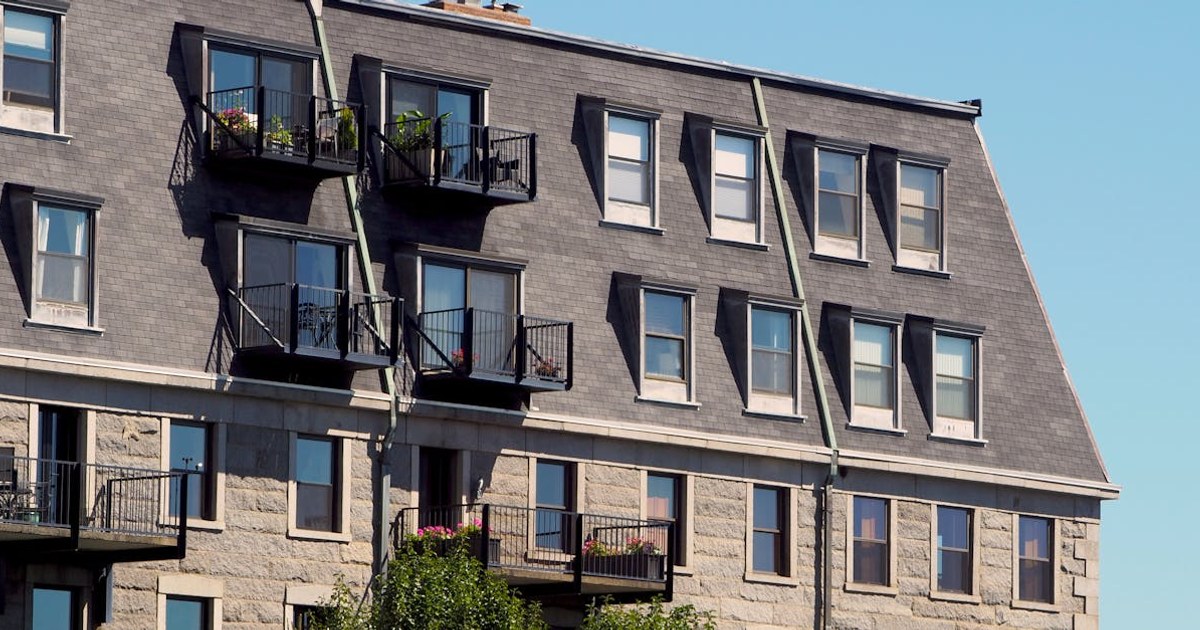
Allston
Harvard Ave’s student-zone food row, BU and BC adjacencies, and the cheapest serious eating in the city.
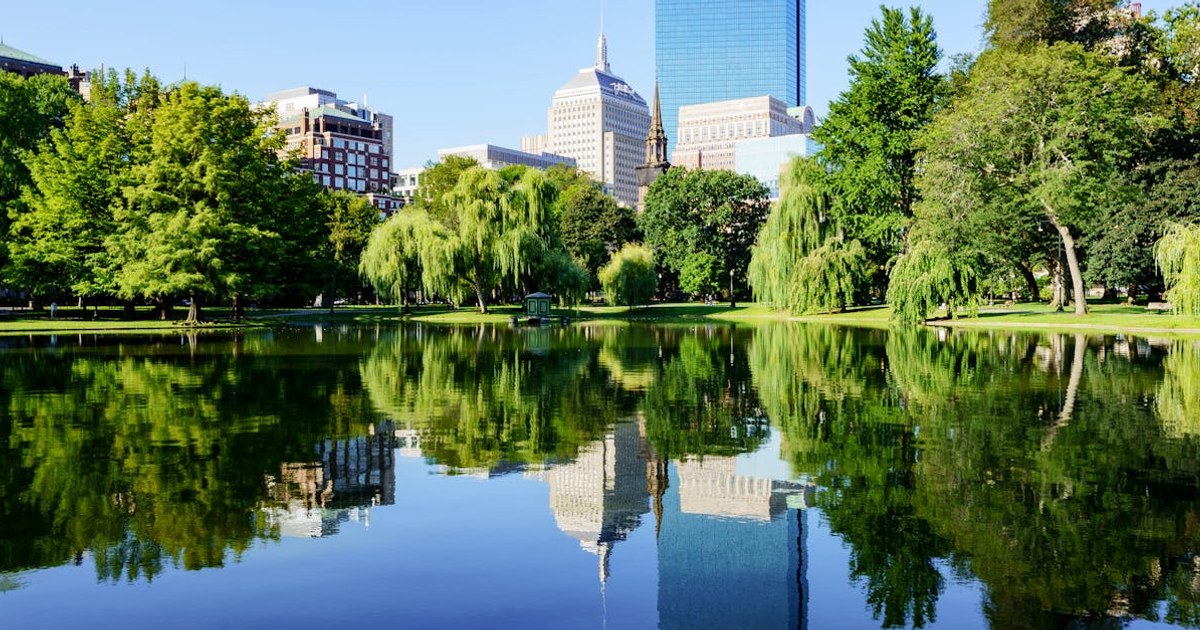
Back Bay
Newbury Street shopping, the Boston Public Library, brownstone blocks, and the high-end restaurant corridor on Boylston.
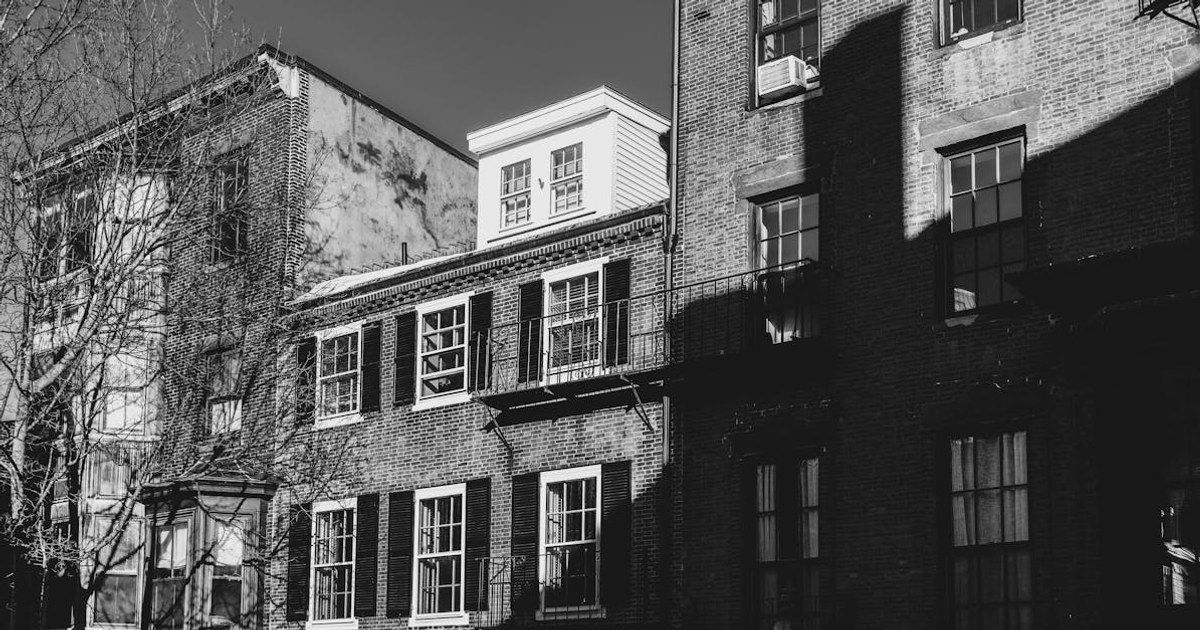
Beacon Hill
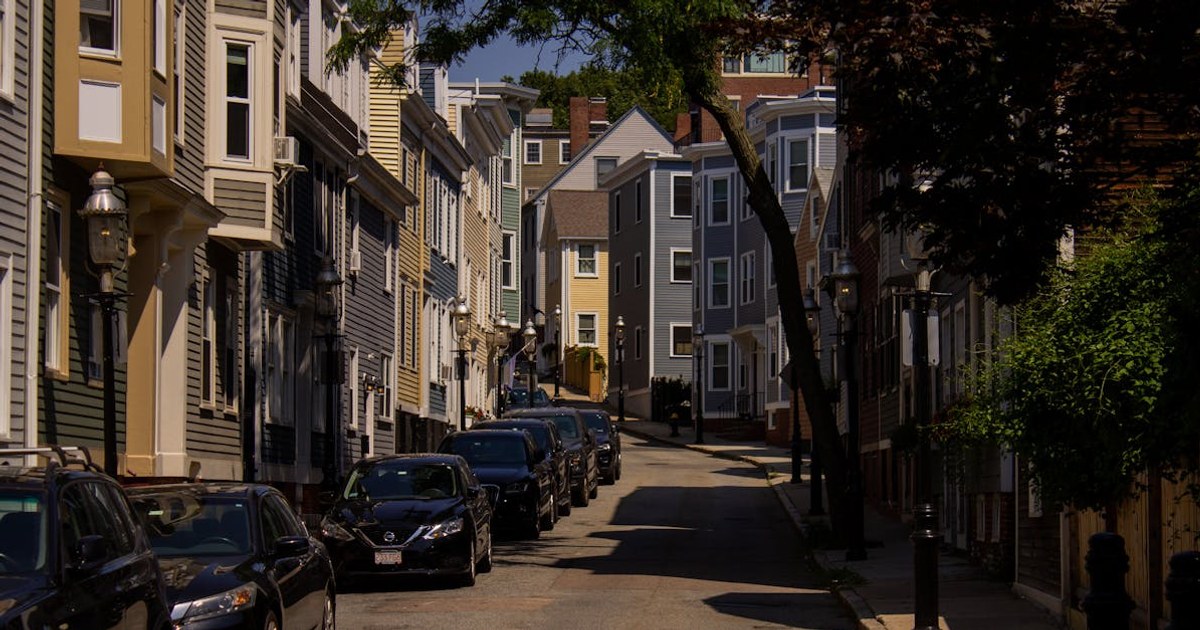
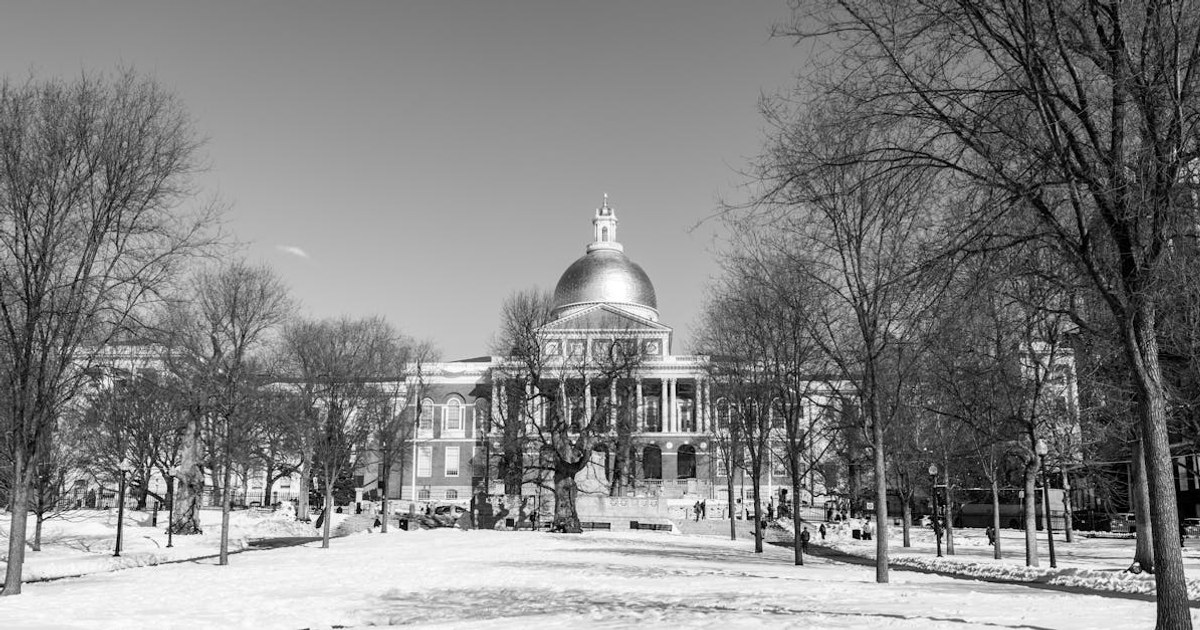
Federal-era brick, gas lamps, and Charles Street’s shop-and-restaurant rhythm just over the Common from downtown.
Brighton
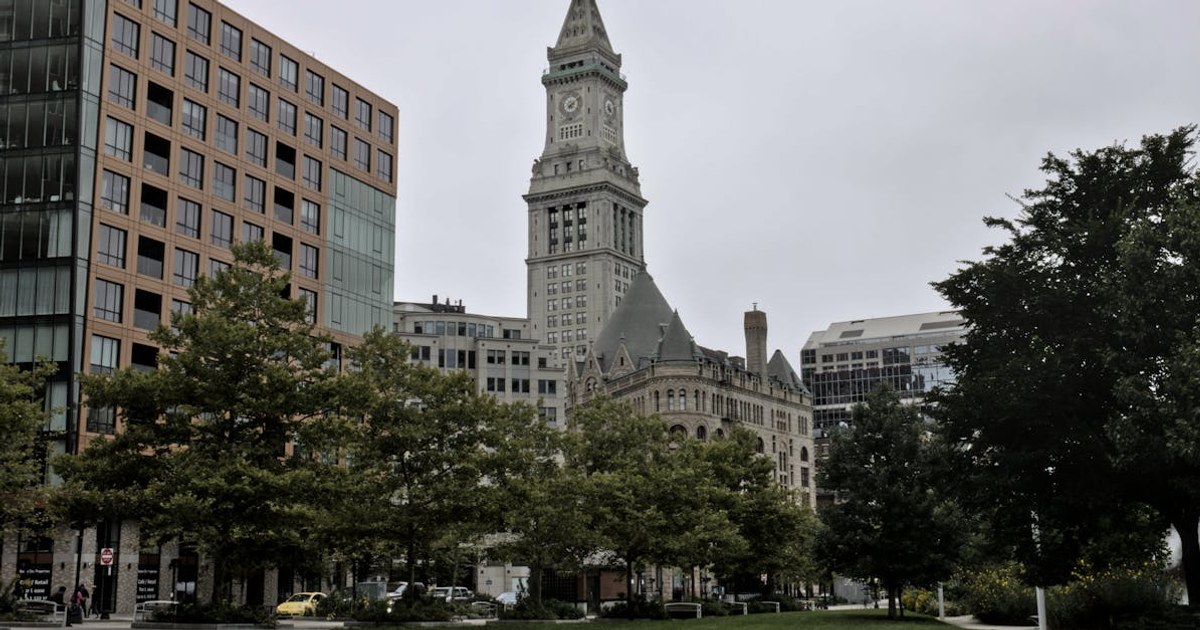
Allston’s western neighbor, Boston College’s footprint, and a quieter residential rhythm that’s drawn off-campus students for decades.
Charlestown
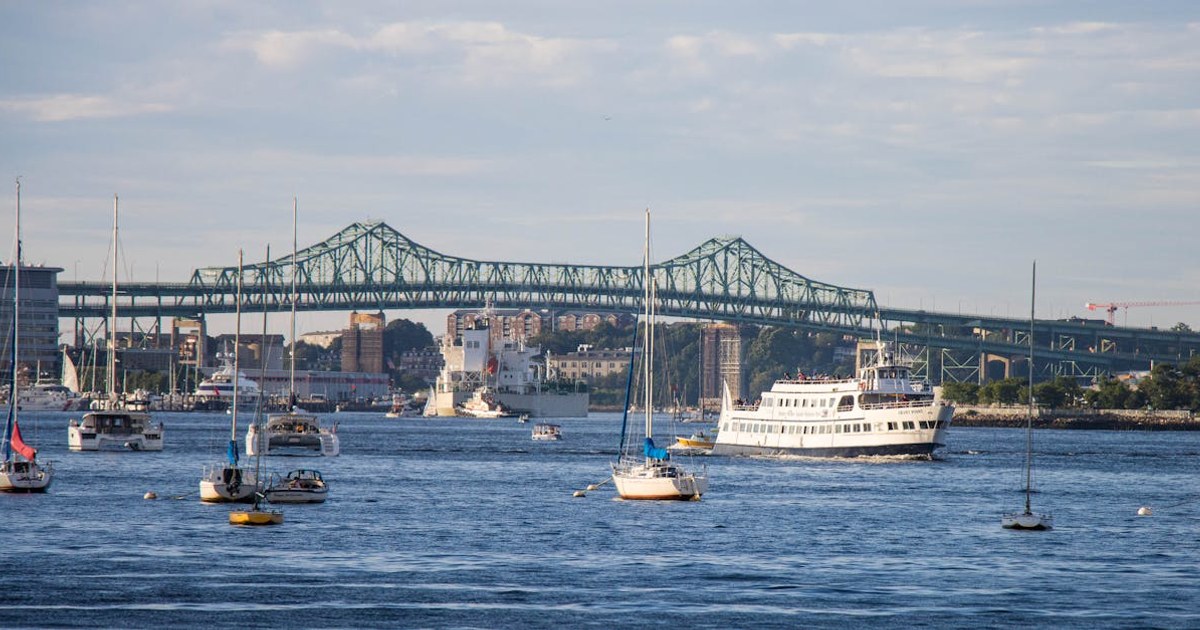
Bunker Hill, the Navy Yard, the USS Constitution, and a self-contained brick-row-house neighborhood across the harbor from the North End.
Dorchester
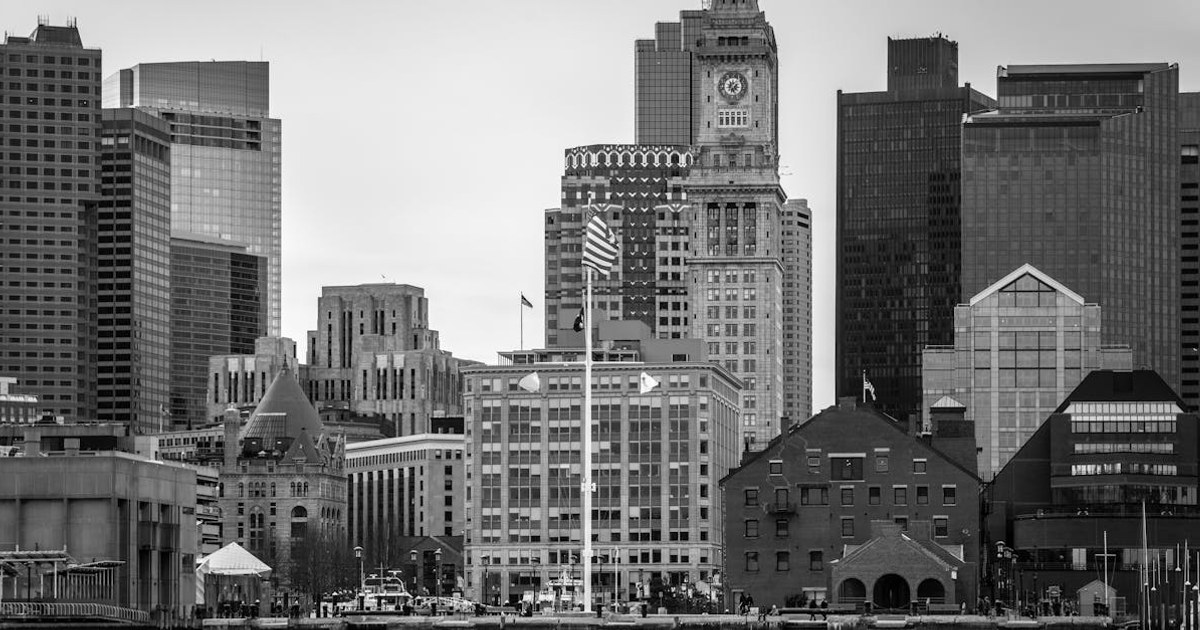
The largest neighborhood in Boston, deeply diverse food scene, and the JFK Library on the harbor’s southern edge.
Fenway
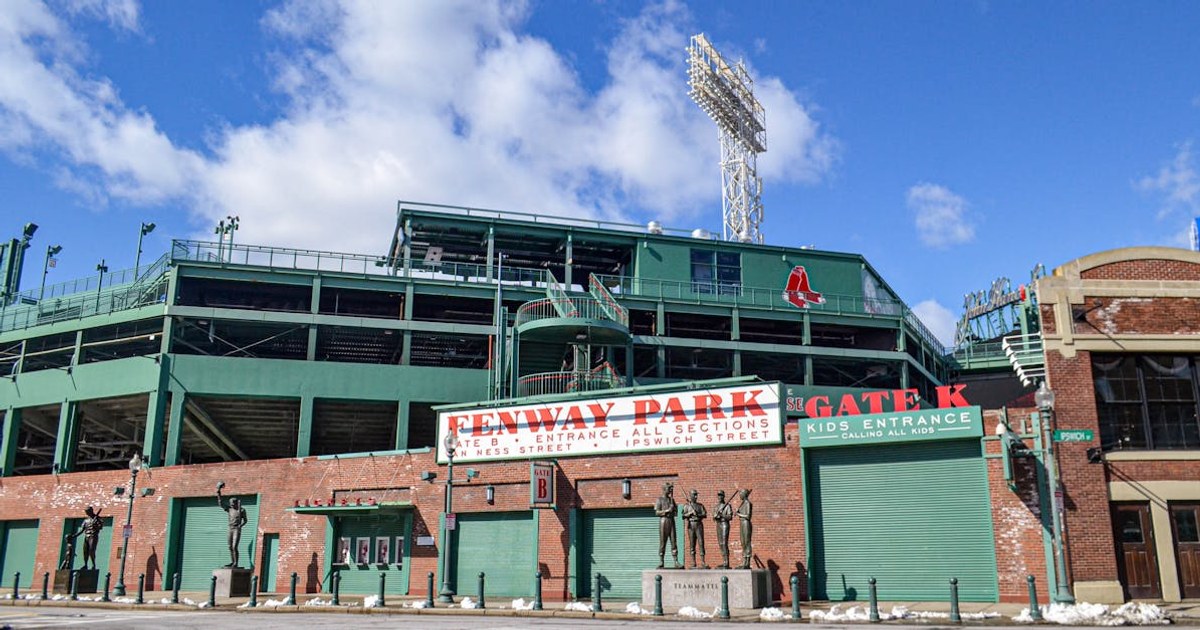
Fenway Park’s neighborhood, the Museum of Fine Arts, the Gardner, and the densest cluster of museums-and-Sox in the city.
Jamaica Plain
Centre Street’s indie restaurant row, Jamaica Pond walks, and a long-running counterculture-friendly neighborhood character.
Kenmore
Kenmore Square’s Citgo sign, Boston University’s gateway, and the bar-and-restaurant runway between Fenway and Back Bay.
Mission Hill
Northeastern’s western edge, the Mission Church, and the brick-and-greenway neighborhood between the Fenway and JP.
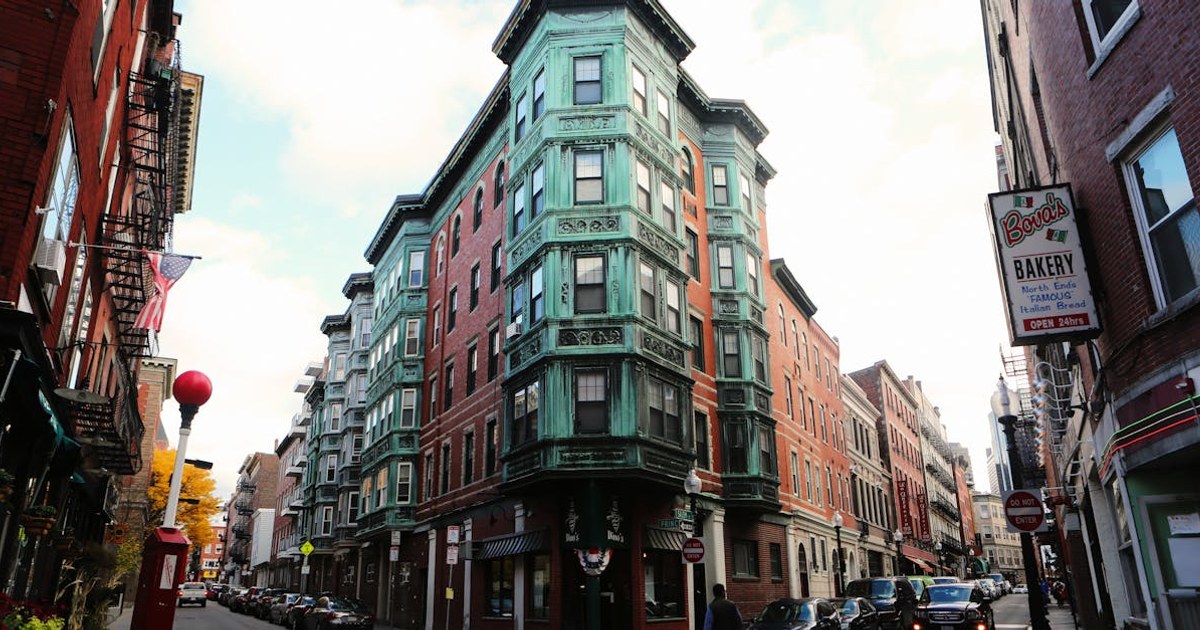
North End
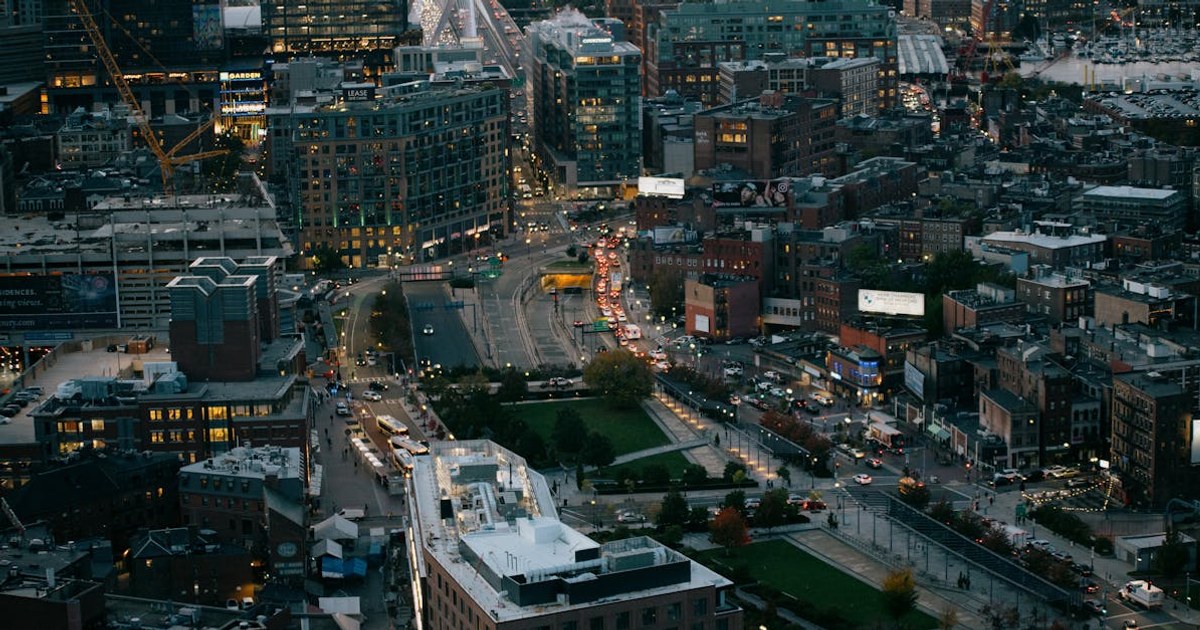
Hanover Street’s Italian-American food row, Paul Revere’s house, and the densest restaurant footprint in the city.
Roslindale
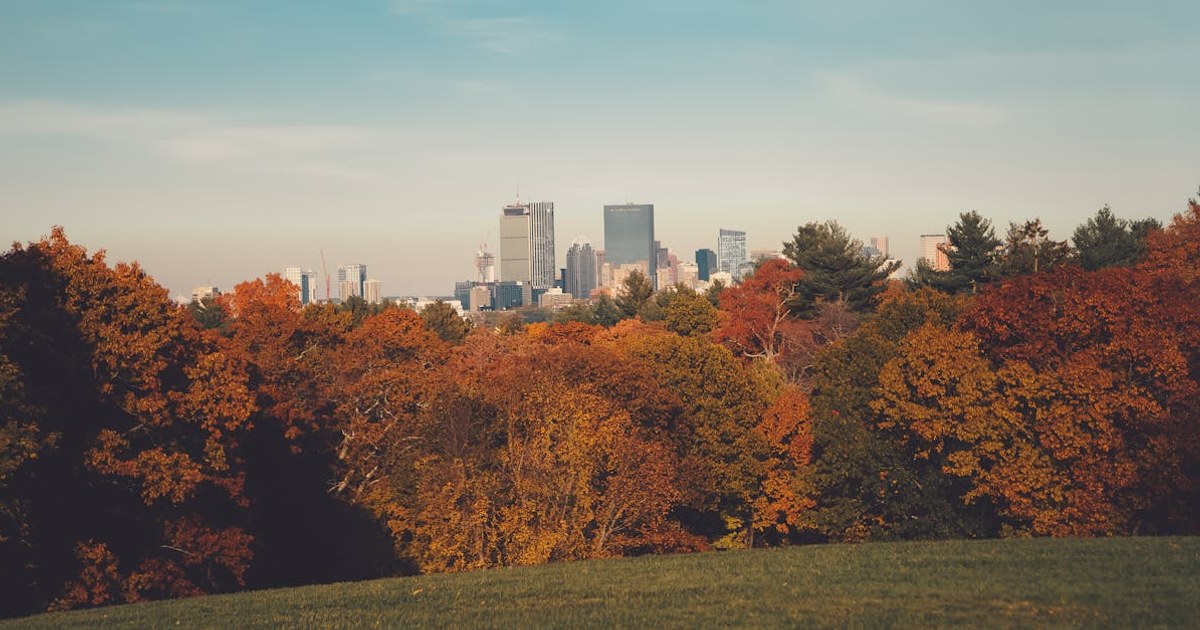
Roslindale Square’s small-town walkable downtown, Arnold Arboretum adjacency, and a quieter family-neighborhood pace.
Roxbury
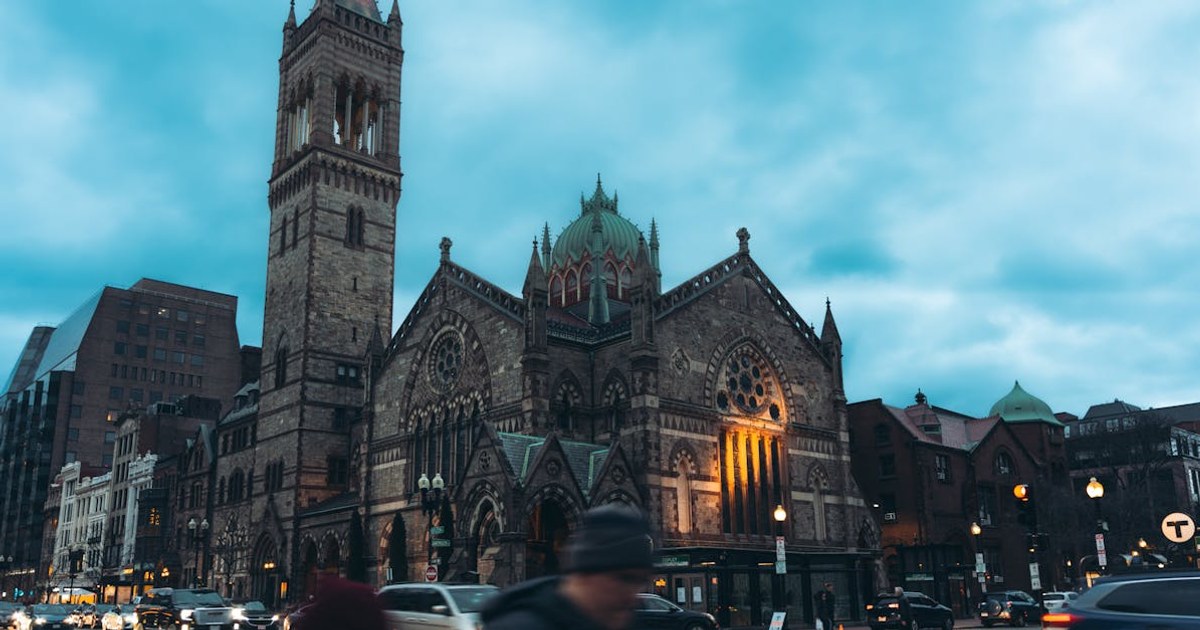
Boston’s historic Black cultural center, Dudley/Nubian Square’s renaissance, and a deep food-and-music identity that’s shaping the city’s next decade.
South Boston
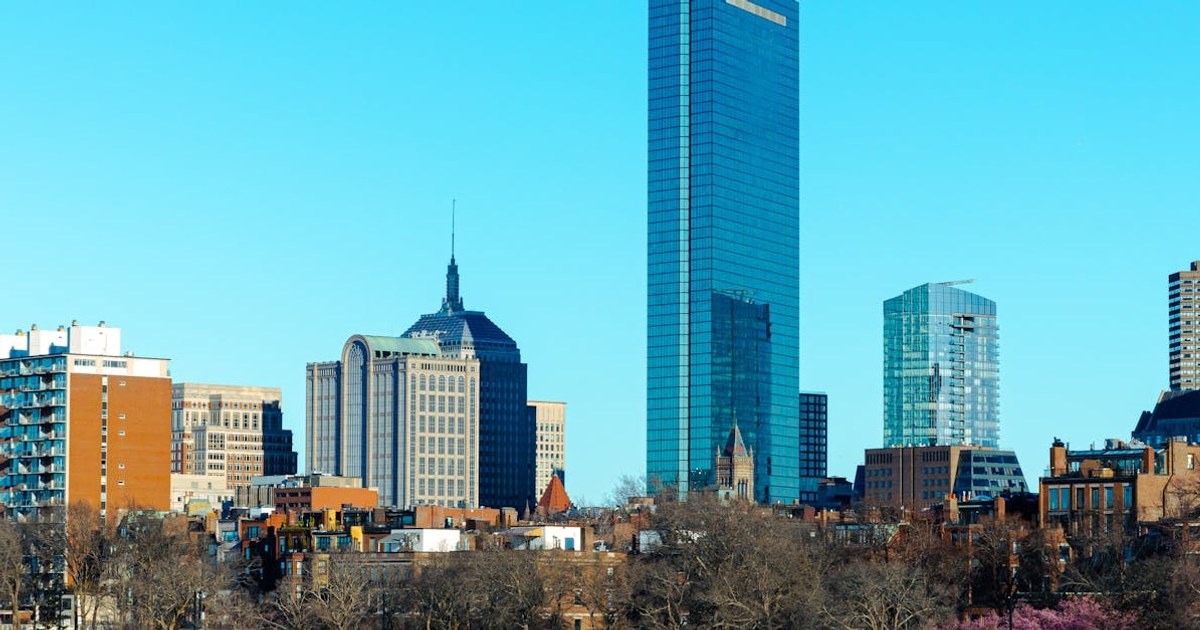
Castle Island walks, the Seaport’s glass-tower restaurant scene, and the working-class corner-bar culture that still anchors the neighborhood.
South End
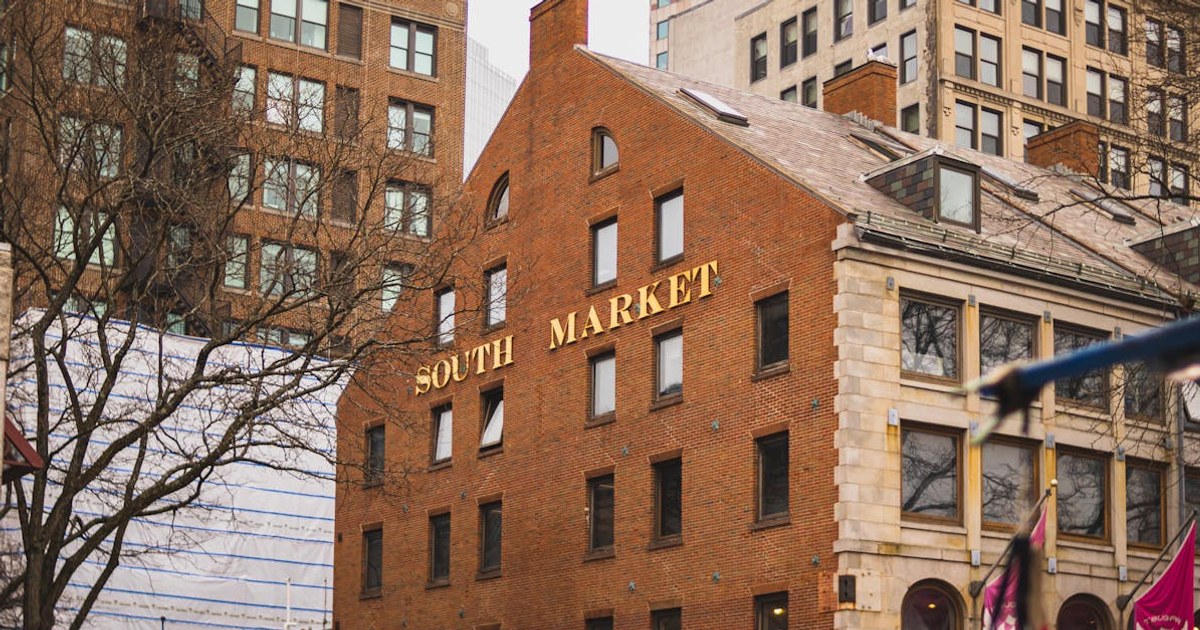
Tremont Street’s restaurant row, the SoWa arts district, brownstone blocks, and a Sunday brunch culture that runs all afternoon.
West End
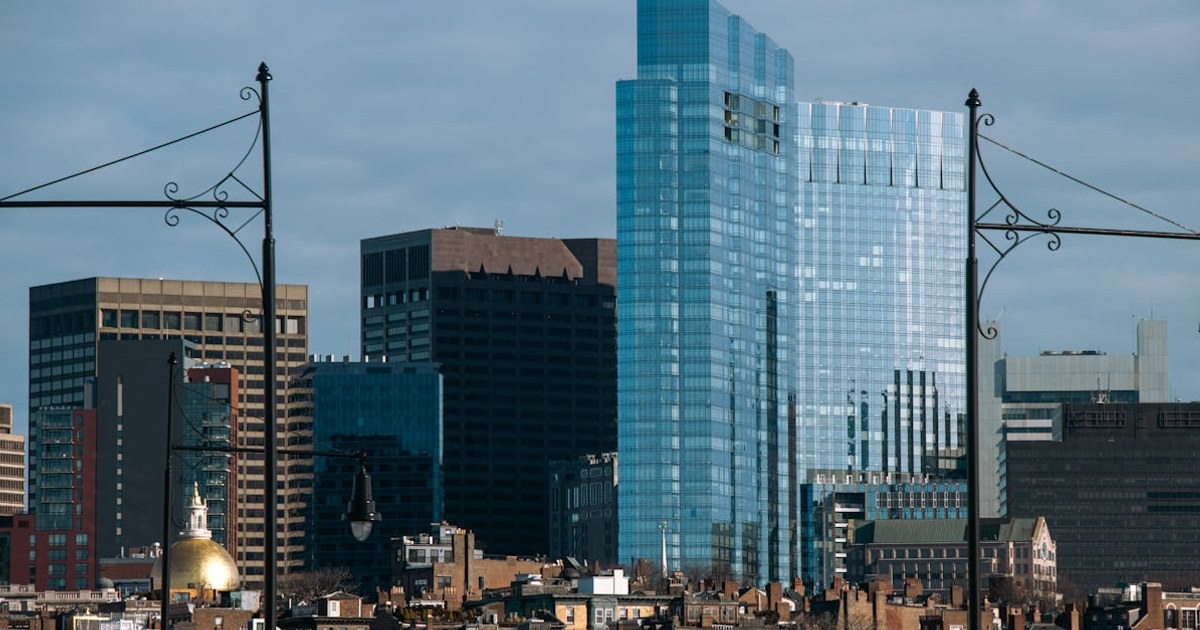
TD Garden’s neighborhood, the Museum of Science, and the post-urban-renewal high-rise district between the North End and Beacon Hill.